
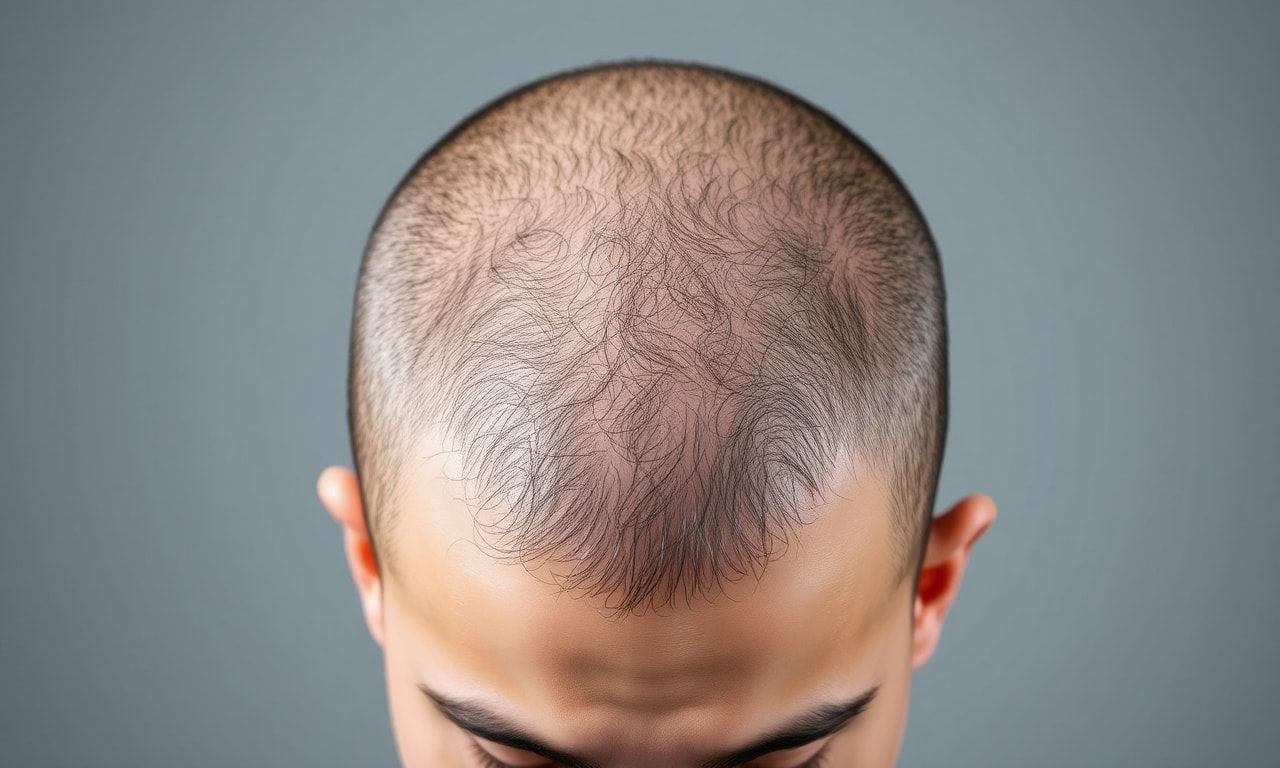
The Rising Concern of Frontal Fibrosing Alopecia
Frontal Fibrosing Alopecia (FFA) has been gaining attention in the medical community and among the general public due to its increasing prevalence and the challenges it poses to those affected. This condition, characterized by gradual hair loss at the front and sides of the scalp, has been observed more frequently in recent years, sparking a need for greater awareness and understanding.
Understanding the Condition
Frontal Fibrosing Alopecia is a form of scarring alopecia, which means it causes permanent hair loss by damaging the hair follicles. Unlike other types of alopecia, FFA primarily affects the frontal hairline and the temples, often leading to significant cosmetic concerns. The exact cause of FFA remains unknown, but researchers have identified several potential factors, including autoimmune responses, hormonal changes, and environmental triggers.
Symptoms and Diagnosis
The symptoms of FFA typically include a receding hairline, often described as a ‘band-like’ pattern of hair loss. Some individuals may also experience itching, burning, or redness in the affected areas. Diagnosis usually involves a thorough examination by a dermatologist or a trichologist, who may perform a scalp biopsy to confirm the presence of FFA. Early diagnosis is crucial for managing the condition effectively and minimizing further hair loss.
Treatment Options and Innovations
While there is no definitive cure for FFA, several treatment options aim to slow down the progression of hair loss and improve the appearance of the scalp. Topical and oral medications, such as corticosteroids and immunosuppressants, are often prescribed to reduce inflammation and suppress the immune response. Additionally, advancements in medical technology have opened up new possibilities for those seeking a more permanent solution. For instance, some individuals may consider a hair transplant for frontal fibrosing alopecia to restore lost hair and improve self-confidence.
Living with Frontal Fibrosing Alopecia
Living with FFA can be challenging, both physically and emotionally. The visible nature of the condition can lead to feelings of self-consciousness and anxiety. Support groups and counseling services can provide valuable emotional support and practical advice for coping with the condition. Additionally, adopting a healthy lifestyle, including a balanced diet and regular exercise, can contribute to overall well-being and potentially improve the condition of the scalp.
The Future of FFA Research
The medical community continues to explore the underlying causes and potential treatments for Frontal Fibrosing Alopecia. Ongoing research focuses on identifying genetic markers, understanding the role of hormones, and developing new therapeutic approaches. Collaborative efforts between researchers, clinicians, and patients are essential for advancing our knowledge and finding effective solutions for this complex condition.
Conclusion
Frontal Fibrosing Alopecia represents a significant challenge for those affected, but increased awareness and ongoing research offer hope for better management and treatment options. By staying informed and seeking professional advice, individuals with FFA can take proactive steps to address their condition and improve their quality of life.