The Evolution of Liverpool’s Cultural Landscape
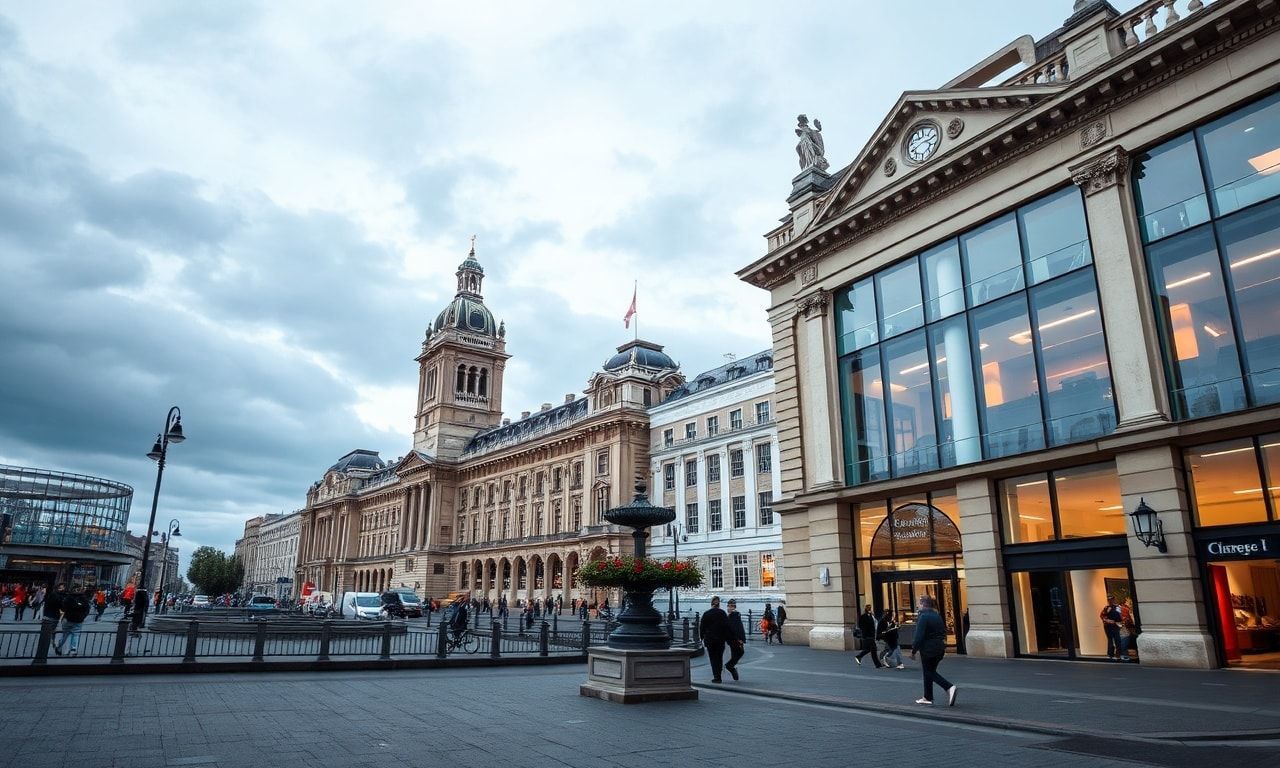
Liverpool, a city rich in history and culture, has been undergoing a significant transformation in recent years. This evolution is not just architectural but also cultural, with the city embracing its past while eagerly stepping into the future. The city’s unique blend of historic landmarks and modern developments has made it a beacon of cultural renaissance in the UK.
Historic Landmarks: A Glimpse into the Past
Liverpool’s historic landmarks are a testament to its rich heritage. The iconic Royal Liver Building, with its distinctive clock towers, has been a symbol of the city since 1911. The Three Graces, a trio of grand buildings on the Pier Head, are a reminder of Liverpool’s maritime history. These landmarks not only attract tourists but also instill a sense of pride and identity among the locals.
The Beatles and Liverpool’s Musical Legacy
The Beatles, one of the most influential bands in music history, hail from Liverpool. The city’s musical legacy is celebrated through various attractions, including The Beatles Story and the Cavern Club. These sites draw music enthusiasts from around the world, contributing significantly to Liverpool’s cultural and economic landscape.
Modern Developments: A City on the Rise
Liverpool’s skyline is rapidly changing with the addition of modern architectural marvels. The Liverpool One shopping and leisure complex is a prime example of the city’s modern development. This £1 billion project has transformed the city center, offering a blend of retail, dining, and entertainment options. The development has not only boosted the local economy but also enhanced the city’s appeal as a tourist destination.
Cultural Events and Festivals
Liverpool’s cultural calendar is packed with events and festivals that cater to a diverse range of interests. From the Liverpool International Music Festival to the Liverpool Biennial, the city hosts a variety of cultural events that attract visitors from far and wide. These events not only showcase the city’s vibrant arts scene but also foster a sense of community and belonging among its residents.
The Impact of Cultural Renaissance on Local Businesses
The cultural renaissance in Liverpool has had a profound impact on local businesses. The influx of tourists has led to a surge in demand for various services, from hospitality to retail. Local businesses have capitalized on this opportunity, offering unique products and experiences that reflect the city’s rich cultural heritage. For instance, the city’s thriving food scene is a testament to its cultural diversity, with a plethora of restaurants and cafes offering cuisines from around the world.
For those looking to explore the best of Liverpool’s shopping scene, the city offers a diverse range of options. From high-end boutiques to vintage stores, Liverpool’s shopping landscape is as varied as it is vibrant. If you’re planning a trip to London and want to explore the best shopping destinations, you might want to check out the London shopping guide best stores for some inspiration.
Challenges and Opportunities
While Liverpool’s cultural renaissance has brought numerous benefits, it has also presented challenges. The rapid growth and development have raised concerns about the preservation of the city’s historic landmarks. Balancing the need for modernization with the preservation of heritage is a delicate act that requires careful planning and community involvement. However, these challenges also present opportunities for innovation and collaboration, ensuring that Liverpool’s cultural renaissance is sustainable and inclusive.
The Future of Liverpool’s Cultural Landscape
The future of Liverpool’s cultural landscape looks promising. With ongoing developments and a strong focus on preserving its heritage, the city is poised to become a leading cultural hub in the UK. The continued support from local businesses, community organizations, and government initiatives will play a crucial role in shaping Liverpool’s cultural future. As the city continues to evolve, it will undoubtedly attract more visitors, foster a stronger sense of community, and cement its status as a cultural powerhouse.