The Evolution of Liverpool’s Cultural Landscape
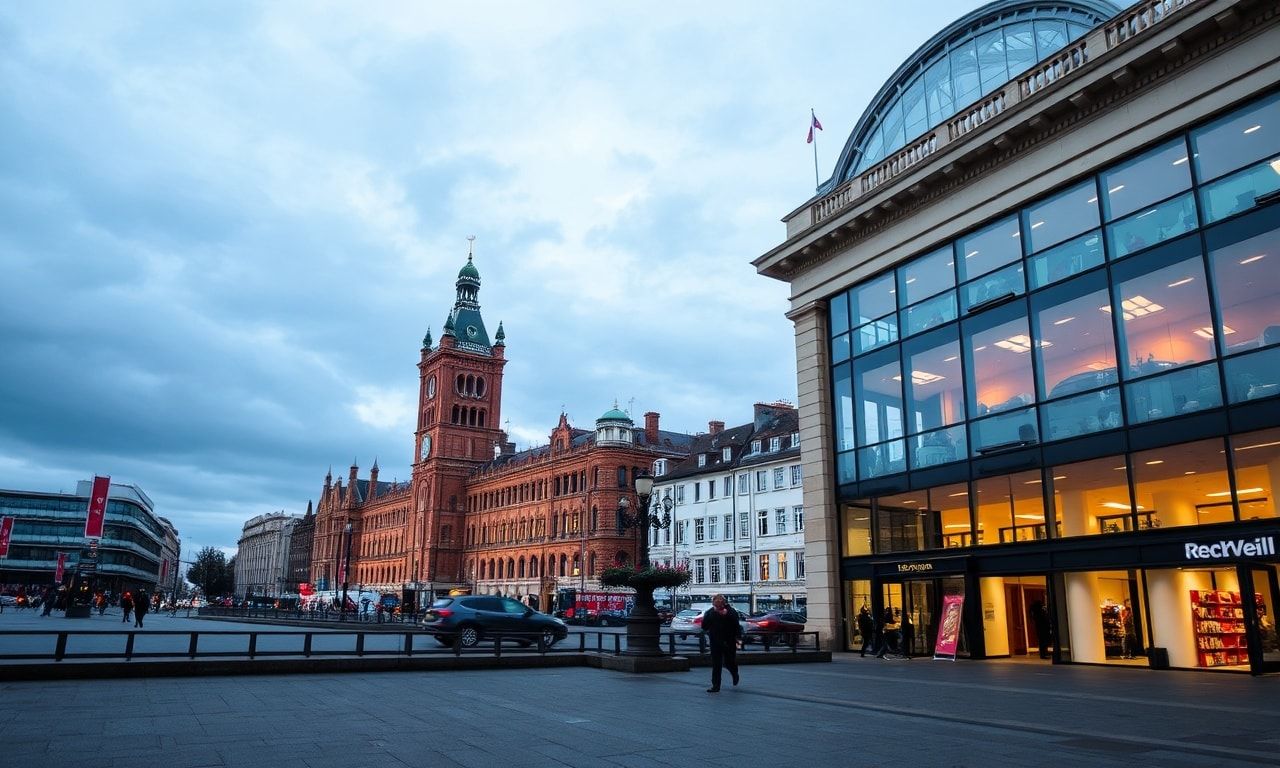
Liverpool, a city with a rich maritime history, has been undergoing a significant cultural renaissance in recent years. This transformation is not just about the physical changes in the cityscape but also about the city’s growing influence in the arts, music, and digital innovation sectors. The city’s ability to blend its historic charm with modern advancements has made it a beacon of cultural and economic growth.
The Role of Music and Arts
The Beatles, one of the most influential bands in music history, hail from Liverpool. The city’s musical heritage continues to thrive, with numerous music festivals and events drawing visitors from around the globe. The Liverpool International Music Festival, for instance, has become a staple in the city’s cultural calendar, showcasing both local talent and international artists. Additionally, the city’s art scene is flourishing, with institutions like the Tate Liverpool and the Walker Art Gallery playing pivotal roles in promoting contemporary and classical art.
Economic Growth and Digital Innovation
Liverpool’s economic growth has been bolstered by its burgeoning digital and creative industries. The city has become a hub for tech startups and digital innovation, attracting investment and talent from across the UK and beyond. The Liverpool Digital Festival, held annually, highlights the city’s commitment to technological advancement and digital creativity. This festival brings together industry leaders, innovators, and enthusiasts to discuss the latest trends and developments in the digital world.
For a comprehensive analysis of how Liverpool’s economic strategies align with broader national trends, readers can refer to the current affairs analysis update published by Manchester Daily. This resource provides valuable insights into the economic policies and initiatives that are shaping the future of cities like Liverpool.
Urban Regeneration and Community Development
Urban regeneration projects have played a crucial role in Liverpool’s transformation. The regeneration of areas like the Liverpool Waterfront and the Baltic Triangle has not only improved the city’s infrastructure but also created new opportunities for businesses and residents. These projects have been designed with a focus on sustainability and community engagement, ensuring that the benefits of urban development are shared widely.
The Baltic Triangle, in particular, has become a hotspot for creative industries, housing a mix of tech startups, digital agencies, and creative studios. This area’s development has been driven by a collaborative effort between the local government, private investors, and community groups, demonstrating the power of partnerships in driving urban regeneration.
Challenges and Future Prospects
Despite the significant progress, Liverpool still faces challenges such as economic inequality and the need for continued investment in infrastructure. However, the city’s resilience and innovative spirit suggest a bright future. The Liverpool City Region Combined Authority has been instrumental in addressing these challenges by implementing strategic plans that focus on inclusive growth and sustainable development.
Looking ahead, Liverpool aims to build on its cultural and economic strengths to become a leading city in the UK. The city’s commitment to innovation, creativity, and community development positions it well for future growth and success. As Liverpool continues to evolve, it serves as a model for other cities seeking to balance their historic heritage with modern advancements.
Conclusion
Liverpool’s cultural renaissance is a testament to the city’s ability to adapt and thrive in a rapidly changing world. From its rich musical heritage to its cutting-edge digital innovations, Liverpool has established itself as a dynamic and forward-thinking city. The ongoing urban regeneration projects and community development initiatives further underscore the city’s commitment to inclusive and sustainable growth. As Liverpool continues to grow and evolve, it will undoubtedly remain a key player in the cultural and economic landscape of the UK.