Liverpool’s Rich Cultural Heritage
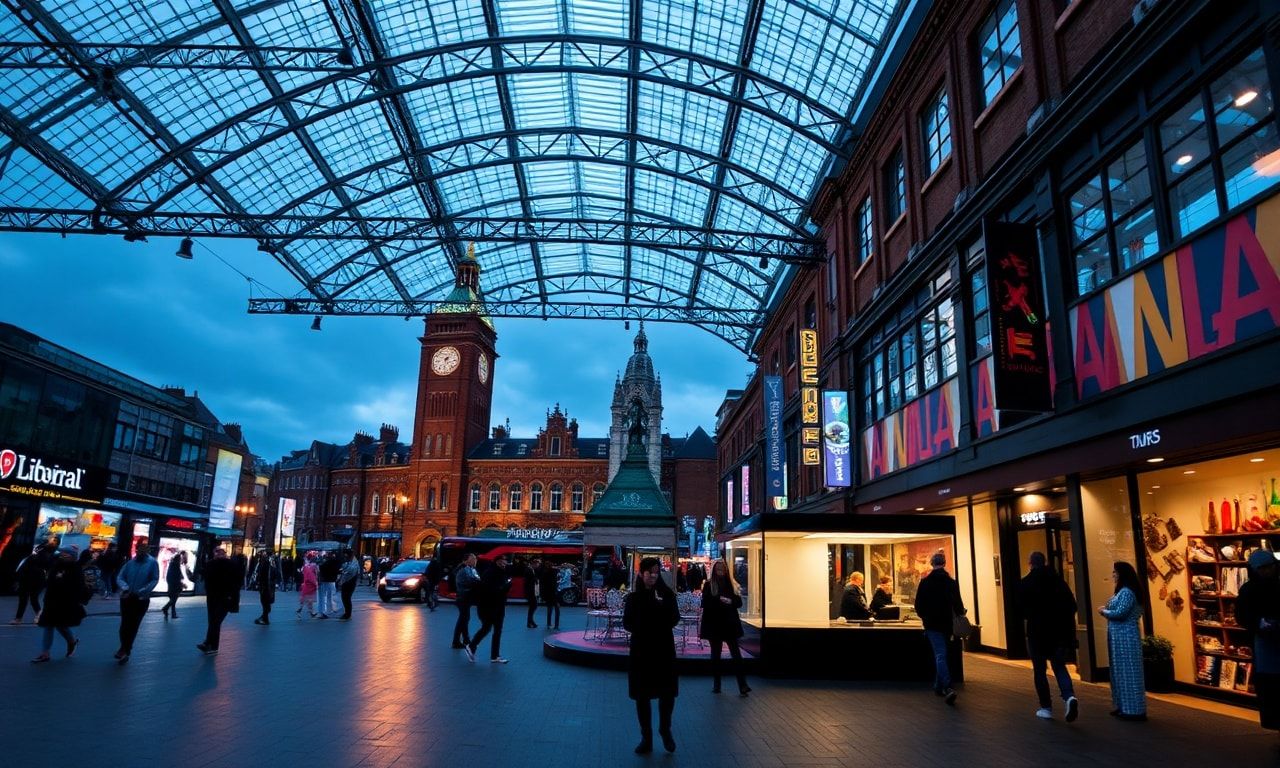
Liverpool, a city renowned for its rich history and vibrant culture, continues to be a beacon of artistic expression and entertainment. From its iconic music scene to its world-class theaters and museums, Liverpool offers a diverse range of cultural experiences that attract visitors from around the globe. The city’s cultural landscape is as dynamic as it is diverse, making it a must-visit destination for art enthusiasts and casual visitors alike.
The Evolution of Liverpool’s Music Scene
The city’s musical heritage is unparalleled, with The Beatles being the most notable export. However, Liverpool’s music scene is far from a relic of the past. Today, it thrives with a mix of indie bands, electronic music, and live performances that cater to a wide range of tastes. The city hosts numerous music festivals throughout the year, drawing in both local talent and international artists. For those looking to experience the best of Liverpool’s music scene, there are plenty of venues that offer everything from intimate acoustic sets to large-scale concerts.
For a deeper dive into the world of music and performances, one might consider exploring the top musical movies and performances that have left an indelible mark on global culture. These productions often draw inspiration from the very spirit of cities like Liverpool, where music and art are woven into the fabric of daily life.
The Role of Theaters and Performing Arts
Theater plays a pivotal role in Liverpool’s cultural scene. The city boasts several renowned theaters, including the Liverpool Playhouse and the Everyman Theatre, which have been staging productions for over a century. These venues host a variety of performances, from classic plays to contemporary works, ensuring there is something for everyone. The Liverpool Philharmonic Orchestra, one of the oldest symphony orchestras in the UK, is another jewel in the city’s crown, offering performances that range from classical masterpieces to modern compositions.
Museums and Galleries: A Window into the Past and Present
Liverpool’s museums and galleries are a testament to the city’s rich history and its commitment to the arts. The Tate Liverpool, located in the Albert Dock, is a must-visit for art lovers, featuring an impressive collection of modern and contemporary art. The Museum of Liverpool, on the other hand, offers a fascinating journey through the city’s history, from its maritime roots to its cultural evolution. These institutions not only preserve the past but also foster a creative environment that encourages artistic innovation.
Community and Cultural Events
The city’s cultural calendar is packed with events that celebrate its diverse heritage. The Liverpool International Music Festival, for instance, brings together musicians from various genres, providing a platform for both established artists and emerging talent. The Liverpool Biennial, the UK’s largest contemporary art festival, transforms the city into an open-air gallery, showcasing works by artists from around the world. These events not only enrich the cultural fabric of Liverpool but also contribute significantly to the local economy.
The Impact of Culture on Liverpool’s Economy
The cultural sector is a vital component of Liverpool’s economy. According to recent studies, the arts and cultural industries contribute millions of pounds annually to the city’s GDP. This economic impact is driven by tourism, as visitors flock to Liverpool to experience its unique cultural offerings. The city’s museums, theaters, and music venues attract a steady stream of tourists, who in turn support local businesses, from hotels and restaurants to retail shops. The cultural sector also provides employment opportunities for thousands of residents, ranging from artists and performers to event organizers and hospitality staff.
Challenges and Future Prospects
Despite its many strengths, Liverpool’s cultural scene faces several challenges. Funding for the arts is a persistent issue, with many organizations relying on a mix of public funding, private donations, and ticket sales to stay afloat. The COVID-19 pandemic has exacerbated these challenges, with many venues and events forced to close or scale back their operations. However, the resilience of Liverpool’s cultural community has been evident in its ability to adapt and innovate. Virtual performances, online exhibitions, and hybrid events have become the norm, ensuring that the city’s cultural offerings remain accessible to a global audience.
Looking ahead, the future of Liverpool’s cultural scene appears bright. The city continues to invest in its cultural infrastructure, with plans for new venues and the expansion of existing ones. Initiatives aimed at supporting local artists and fostering creativity are also underway, ensuring that Liverpool remains a vibrant hub of artistic expression. As the city looks to the future, it is clear that its cultural heritage will remain a cornerstone of its identity and a driving force behind its economic and social development.