The Evolution of Liverpool’s Cultural Landscape
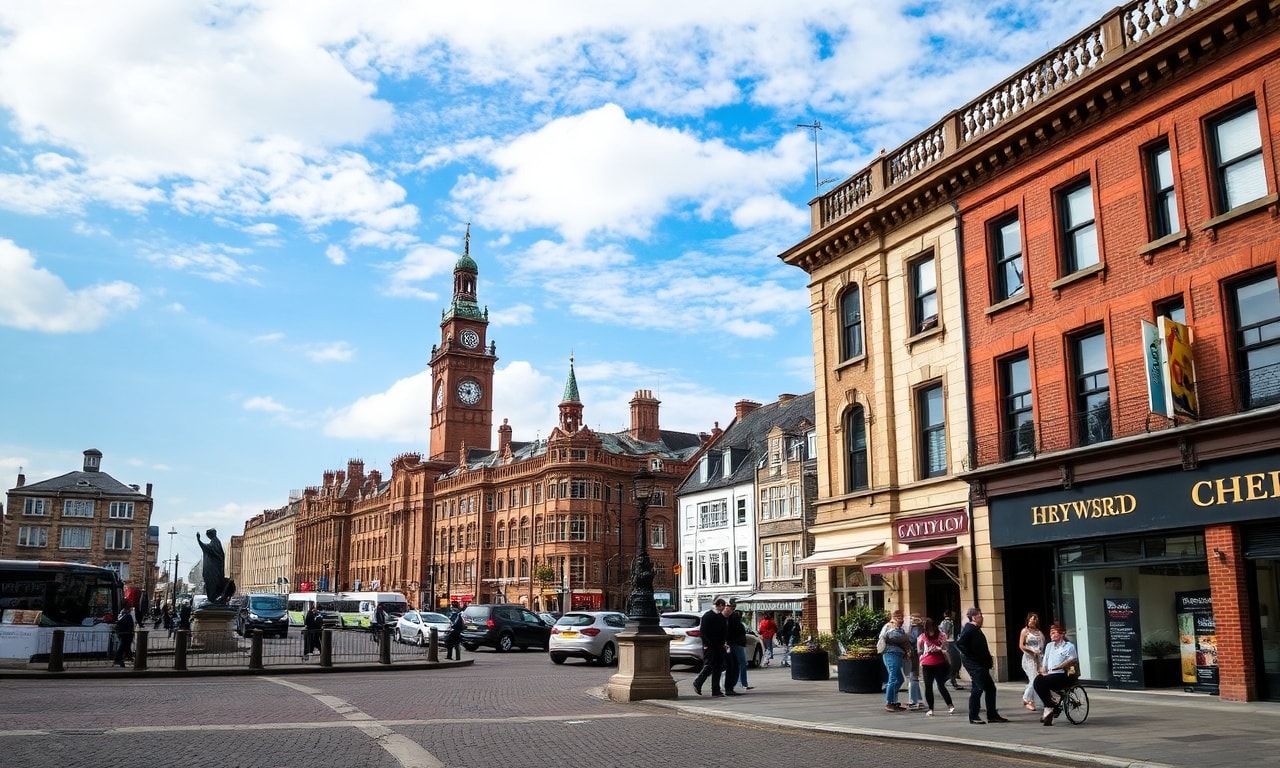
Liverpool, a city renowned for its rich maritime history and significant contributions to music and sports, has undergone a profound cultural evolution over the centuries. From its humble beginnings as a small port town to its current status as a vibrant metropolis, Liverpool’s cultural landscape has been shaped by a myriad of influences, both local and global. This transformation has resulted in a city that is as diverse as it is dynamic, offering a unique blend of traditions, languages, and customs that coexist harmoniously.
The city’s cultural tapestry is a testament to its ability to absorb and integrate diverse elements, creating a unique identity that sets it apart from other urban centers. Liverpool’s cultural scene is a reflection of its historical journey, marked by periods of prosperity and challenge, each leaving an indelible mark on the city’s collective consciousness. Today, Liverpool stands as a beacon of cultural diversity, where the old and the new coexist in a symbiotic relationship, enriching the lives of its inhabitants and visitors alike.
In recent years, Liverpool has witnessed a surge in cultural activities and events that celebrate its multifaceted identity. From the annual Liverpool International Music Festival to the biennial Liverpool Biennial of Contemporary Art, the city’s cultural calendar is packed with events that showcase its artistic prowess and creative spirit. These events not only attract tourists from around the world but also provide a platform for local artists and performers to showcase their talents, further enriching the city’s cultural landscape.
The Influence of Immigration on Liverpool’s Cultural Identity
Liverpool’s cultural identity has been significantly influenced by waves of immigration, each bringing with them unique traditions, customs, and cuisines that have become an integral part of the city’s fabric. The city’s maritime history has made it a natural hub for immigrants, who have contributed to its cultural diversity and vibrancy. From the Irish and Welsh who settled in Liverpool during the 19th century to the more recent influx of immigrants from Eastern Europe and Asia, each community has left an indelible mark on the city’s cultural landscape.
The Irish community, in particular, has played a significant role in shaping Liverpool’s cultural identity. The city’s large Irish population has contributed to its musical heritage, with traditional Irish music and dance being an integral part of Liverpool’s cultural scene. Similarly, the Chinese community has enriched the city’s culinary landscape, with Chinatown being a popular destination for locals and tourists alike. The city’s diverse culinary scene is a testament to its multicultural identity, offering a wide range of cuisines that cater to every palate.
In addition to its culinary and musical heritage, Liverpool’s cultural identity has also been shaped by its literary and artistic traditions. The city has produced some of the world’s most renowned writers and artists, including the Beatles, who have left an indelible mark on its cultural landscape. The Beatles’ influence can be seen and heard throughout the city, with numerous museums and landmarks dedicated to their legacy. Similarly, Liverpool’s literary heritage is celebrated through events such as the annual Liverpool Literary Festival, which showcases the city’s rich literary tradition.
The Role of Sports in Shaping Liverpool’s Cultural Identity
Sports have played a pivotal role in shaping Liverpool’s cultural identity, with football being the most prominent. The city is home to two of the most successful football clubs in English history, Liverpool FC and Everton FC, whose rivalries and achievements have become an integral part of the city’s cultural fabric. The passion and dedication of the fans, known as Kopites, have earned Liverpool FC a special place in the hearts of the city’s inhabitants, with the club’s anthem, ‘You’ll Never Walk Alone,’ becoming a symbol of resilience and unity.
The city’s sporting heritage extends beyond football, with a rich history in other sports such as rugby, athletics, and boxing. Liverpool’s sporting achievements have not only brought pride and joy to its inhabitants but have also contributed to its cultural identity, with sports events and tournaments being an integral part of the city’s cultural calendar. The city’s sporting spirit is a testament to its resilience and determination, with its inhabitants always ready to support their teams and athletes, regardless of the challenges they face.
In recent years, Liverpool has witnessed a surge in sports tourism, with visitors from around the world flocking to the city to witness its sporting heritage firsthand. The city’s sporting landmarks, such as Anfield and Goodison Park, have become popular tourist destinations, offering visitors a glimpse into the city’s rich sporting history. The city’s sporting events and tournaments have also become a platform for showcasing its cultural diversity, with athletes and teams from around the world participating in events such as the annual Liverpool International Horse Show and the Liverpool Marathon.
The Impact of Globalization on Liverpool’s Cultural Identity
Globalization has had a profound impact on Liverpool’s cultural identity, with the city’s cultural landscape being shaped by global trends and influences. The city’s maritime history has made it a natural hub for global trade and commerce, with its port being a gateway to the world. This has resulted in a cultural exchange that has enriched the city’s cultural landscape, with global influences being integrated into its traditions, customs, and cuisines.
The city’s cultural scene has also been influenced by globalization, with international artists and performers showcasing their talents in Liverpool’s cultural venues. The city’s cultural events and festivals have become a platform for global cultural exchange, with artists and performers from around the world participating in events such as the Liverpool International Music Festival and the Liverpool Biennial of Contemporary Art. This has not only enriched the city’s cultural landscape but has also provided a platform for local artists and performers to showcase their talents on a global stage.
In addition to its cultural scene, Liverpool’s culinary landscape has also been influenced by globalization, with the city’s restaurants and cafes offering a wide range of cuisines that cater to every palate. The city’s diverse culinary scene is a testament to its multicultural identity, with global influences being integrated into its traditional dishes and cuisines. This has resulted in a unique culinary landscape that is as diverse as it is delicious, offering visitors a gastronomic journey that is as enriching as it is satisfying.
The Future of Liverpool’s Cultural Identity
The future of Liverpool’s cultural identity is bright, with the city’s cultural scene continuing to evolve and adapt to global trends and influences. The city’s cultural events and festivals are set to become a platform for global cultural exchange, with artists and performers from around the world participating in events such as the Liverpool International Music Festival and the Liverpool Biennial of Contemporary Art. This will not only enrich the city’s cultural landscape but will also provide a platform for local artists and performers to showcase their talents on a global stage.
The city’s culinary landscape is also set to evolve, with the integration of global influences into its traditional dishes and cuisines. This will result in a unique culinary landscape that is as diverse as it is delicious, offering visitors a gastronomic journey that is as enriching as it is satisfying. The city’s diverse culinary scene will continue to be a testament to its multicultural identity, with global influences being integrated into its traditions, customs, and cuisines.
In conclusion, Liverpool’s cultural identity is a testament to its ability to absorb and integrate diverse elements, creating a unique identity that sets it apart from other urban centers. The city’s cultural landscape is a reflection of its historical journey, marked by periods of prosperity and challenge, each leaving an indelible mark on the city’s collective consciousness. Today, Liverpool stands as a beacon of cultural diversity, where the old and the new coexist in a symbiotic relationship, enriching the lives of its inhabitants and visitors alike. The city’s cultural scene is set to continue evolving, with global influences being integrated into its traditions, customs, and cuisines, further enriching its cultural landscape and cementing its status as a global cultural hub.