
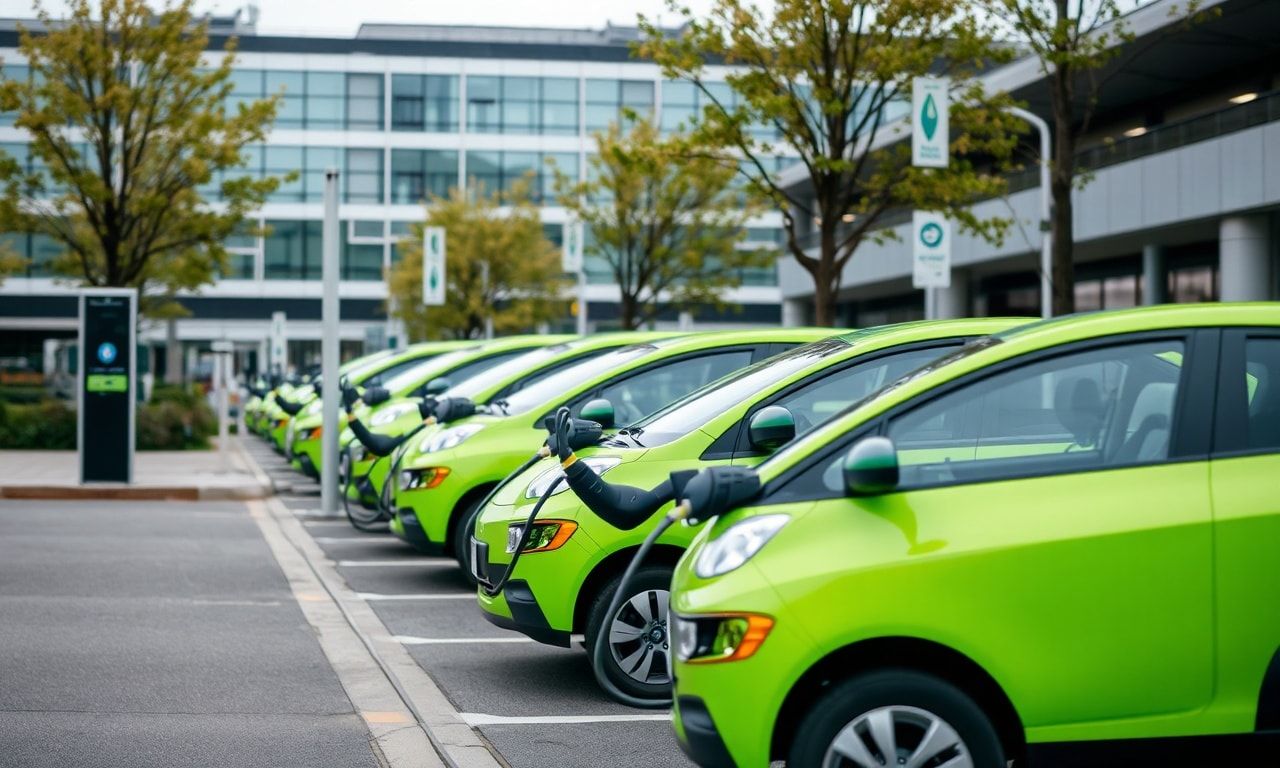
The Shift Towards Electric Vehicles
Liverpool, like many cities around the world, is experiencing a significant shift towards electric vehicles (EVs). This transition is driven by a combination of environmental concerns, technological advancements, and government incentives. As the city strives to reduce its carbon footprint and improve air quality, the adoption of electric vehicles is becoming increasingly prevalent.
The benefits of electric vehicles are numerous. They produce zero tailpipe emissions, which helps to reduce air pollution and combat climate change. Additionally, electric vehicles are generally more energy-efficient than their internal combustion engine counterparts. This efficiency translates to lower running costs for drivers, as electricity is often cheaper than petrol or diesel.
Challenges and Considerations
Despite the numerous advantages, the transition to electric vehicles is not without its challenges. One of the primary concerns is the availability of charging infrastructure. While Liverpool has made strides in installing public charging points, there is still a need for further investment to ensure that all residents have access to convenient and reliable charging facilities.
Another consideration is the initial cost of electric vehicles. Although the long-term savings on fuel and maintenance can offset the higher upfront price, the initial investment can be a barrier for some consumers. However, government grants and incentives are helping to make electric vehicles more affordable for a broader range of buyers.
The Role of Public Transport and Infrastructure
Liverpool’s public transport system is also playing a crucial role in the city’s green transition. The introduction of electric buses and the expansion of cycling infrastructure are complementary measures that support the overall goal of reducing emissions. By providing alternative transportation options, the city is encouraging residents to make more sustainable choices.
The development of smart city technologies is another area of focus. By integrating electric vehicle charging points with renewable energy sources, Liverpool is working towards a more sustainable and resilient energy system. This approach not only supports the adoption of electric vehicles but also contributes to the city’s broader environmental objectives.
Global Perspectives and Local Impact
The shift towards electric vehicles is not unique to Liverpool. Cities around the world are implementing similar initiatives to promote sustainable transportation. For instance, many European cities have set ambitious targets to ban the sale of new petrol and diesel vehicles in the coming years. These global trends are influencing local policies and encouraging cities like Liverpool to accelerate their own green transitions.
Locally, the impact of electric vehicles is already being felt. Businesses are increasingly adopting electric fleets, and residents are becoming more aware of the benefits of electric vehicles. This growing interest is driving demand for more charging points and supporting the development of a robust electric vehicle ecosystem in the city.
Future Outlook
As Liverpool continues to embrace electric vehicles, the future looks promising. The city is well-positioned to become a leader in sustainable transportation, thanks to its proactive approach and commitment to innovation. By addressing the challenges and leveraging the opportunities presented by electric vehicles, Liverpool can achieve its environmental goals and create a cleaner, healthier city for all residents.
For those considering the switch to electric vehicles, it is essential to weigh the advantages and disadvantages. Resources like elektrikli araba avantajları ve dezavantajları provide valuable insights into the pros and cons of electric vehicles, helping consumers make informed decisions.
As electric vehicles continue to gain traction, understanding their evolving safety features and technological progress is crucial; delve into the latest advancements in EVs to stay informed.
As the gaming industry evolves, a new trend is emerging at the confluence of entertainment and environmental consciousness, as explored in gaming’s push for sustainability.