What Burb News USA offers readers and how to use it
A clear explainer for Liverpool Daily readers: what Burb News USA news is, why it matters, how to access it, and practical tips for using the resource effective

Readers looking for reliable, timely information on US affairs can benefit from understanding what Burb News USA news provides and how to access it. This explainer breaks down the resource in plain terms, showing what it covers, why it matters for informed viewing, and how readers can use it responsibly. The goal is to give you practical steps to verify, compare and consume US news without feeling overwhelmed.
Think of the site as a hub for summaries, updates and context that complements traditional outlets. It emphasizes clarity, straightforward reporting, and a steady pace of updates that helps you track ongoing stories. By knowing what to expect, you can avoid misinformation and focus on the facts that matter to Liverpool readers.
Finally, we outline concrete actions you can take today: how to find the right sections, how to cross-check with local reporting, and how to save or share what you read for later reference. These steps are designed to fit a busy news diet and support long-term media literacy.
- Burb News USA news provides clear, verified US updates with practical context.
- Use sections and search to find what matters most to you and cross-check with official sources.
- Choose a format that fits your schedule: quick briefs for daily reads, explainers for deeper understanding.
Basics of Burb News USA news
What it covers day-to-day
Burb News USA news provides a steady stream of summarized updates on major US events, policy shifts, and notable developments. It focuses on clarity and verifiable information, avoiding unverified rumors. The site favors practical context over sensational language to help readers understand why events unfold as they do.
- ☐ Identify the main event
- ☐ Check a second source
- ☐ Note any official statements
- ☐ Save a link for later
A practical example is a daily briefing that explains a new policy and its potential local effects. Readers can quickly grasp the who, what, where and why without wading through long opinion pieces. This helps you compare headlines across outlets with less effort.
Common traps to watch for include overly technical jargon and unchecked quotes. The service strives to present plain-language explanations and reliable sources, so you don’t have to guess what a policy change means for everyday life.
- Daily briefings summarize key developments
- Plain-language explanations
- Clear sourcing and context
- Local implications highlighted
- No speculative claims
How readers use the site effectively

Finding the right sections
Navigate to the site’s sections that match your interests, such as politics or economy, and use the search bar for specific topics. Start with the latest updates to see what has moved recently. Each article links to further context without burying you in detail. A useful resource on this topic: list your event in the USA.
Using the site’s summaries helps you decide what deserves deeper reading. If a headline feels important, skim the context paragraphs to confirm relevance before diving in. This saves time and keeps you from chasing every breaking story.
Be mindful of cross-checking with local outlets or official statements. A quick comparison can reveal differences in emphasis or timing, which is essential for responsible consumption.
- Use sections and search
- Skim for relevance before full read
- Cross-check with official sources
- Track updates over the day
Options for getting reliable updates
Different formats to follow
Burb News USA news offers multiple formats: brief text briefs, longer explainers, and context pieces that connect events to broader trends. Depending on your schedule, you can choose quick reads or deeper dives. The formats help you stay informed without overloading your day. A useful resource on this topic: list your business in the USA.
For quick checks, a 3-5 minute briefing can cover a major story and point you to longer reads if you want more detail. For a deeper understanding, explainers expand on background, stakes and potential outcomes. This balance helps most readers stay well informed.
Always check publication times and version notes. Timing matters for accuracy, as updates can revise earlier statements. Being aware of when an update occurred helps you assess its relevance and reliability.
- Briefs for quick reads
- Explainings for depth
- Version notes on updates
- Timing matters for accuracy
| Format | Depth | Time to read |
|---|---|---|
| Briefs | Concise | 3-5 minutes |
| Explainings | Contextual | 5-8 minutes |
| Context pieces | Broader analysis | 7-10 minutes |
Cross-checking with at least one additional reputable outlet or official document reduces the chance of skewed reporting.
Pitfalls to avoid when using it

Common missteps readers make
Rushing through headlines can lead to misinterpretation. Taking a moment to read the lead paragraph and any linked sources prevents misinformation from taking root. Slow, deliberate reading improves comprehension. A useful resource on this topic: rooms and property to rent in the USA.
Overreliance on a single source is another risk. Cross-checking with at least one additional reputable outlet or official document reduces the chance of skewed reporting. Diversifying your sources strengthens understanding.
Ignoring corrections or updates can leave you with outdated or wrong impressions. Revisit stories that were updated and note what changed to maintain accuracy over time.
- Rushing through headlines
- Relying on one source
- Missing corrections
- Ignoring context
What to expect next from the site
Upcoming content themes
The site often previews the next wave of reporting, outlining topics and periods that will be covered in upcoming editions. Readers can gauge whether the focus aligns with ongoing events or evolving trends in national or local news. death notices in the USA is an example of a category where updates can shift as new notices are issued.
- Identify the main topic of the next coverage block.
- Note any anticipated angles or questions the team plans to address.
- Watch for cross-referenced stories that connect local events to wider national narratives.
The preview helps readers decide what to save for later, and where to follow live updates or in-depth analyses as stories develop.
This section emphasizes consistency in coverage by signaling planned investigations or follow-ups rather than isolated reports.
How the site updates
Updates are timed around new developments and verifications, ensuring readers receive clarified information without delay. The site also explains when a story is evolving and when it represents a confirmed fact.
Readers benefit from clear timestamps and brief explanations of what new information changes. This helps distinguish between initial reports and later corrections.
Expect occasional live blogs during breaking events, with concise summaries that link to broader context.
- Check the timestamp
- Look for corrections or updates
- Follow linked explainer pieces
How to verify a US news claim

Fact-check steps in plain language
Start by locating the primary source cited in the claim and read it in full. If a government release or official report is involved, note the exact date and author. This reduces misinterpretation from paraphrasing.
Next, compare with trusted secondary sources to see if reporters have corroborated the information. Pay attention to the qualifications of those sources and whether they relied on official documents.
Finally, check for any noted corrections or updates, as early statements can differ from later findings. Readers should not accept the first version as gospel.
- Identify primary sources
- Cross-check with reputable outlets
- Look for official corrections
Ways to compare US coverage
Cross-outlet comparison approach
Compare summaries of the same event from multiple outlets to see how framing differs. Focus on the core facts and note where details diverge, such as numbers, timelines, or affected groups.
Identify the outlet’s emphasis, whether it highlights official responses, expert opinions, or on-the-ground reports. This helps readers gauge what narrative is being pushed.
Use side-by-side notes to keep track of similarities and differences, then decide which version aligns with verifiable evidence.
- Create a simple comparison grid
- Track which outlets cited primary documents
- Be cautious of loaded adjectives and speculative language
When to trust institutional sources
Institutional sources, such as official agencies or court records, provide primary data that often anchors reporting. Verify their statements against independent corroboration instead of taking numbers at face value.
Look for the exact wording of a release, the jurisdiction involved, and the scope of the data. Small differences in wording can change meaning significantly.
If multiple independent outlets confirm the same detail, readers can have higher confidence in the information.
- Verify exact wording and scope
- Check for independent corroboration
- Look for multiple confirmations
If you are building a routine around US news
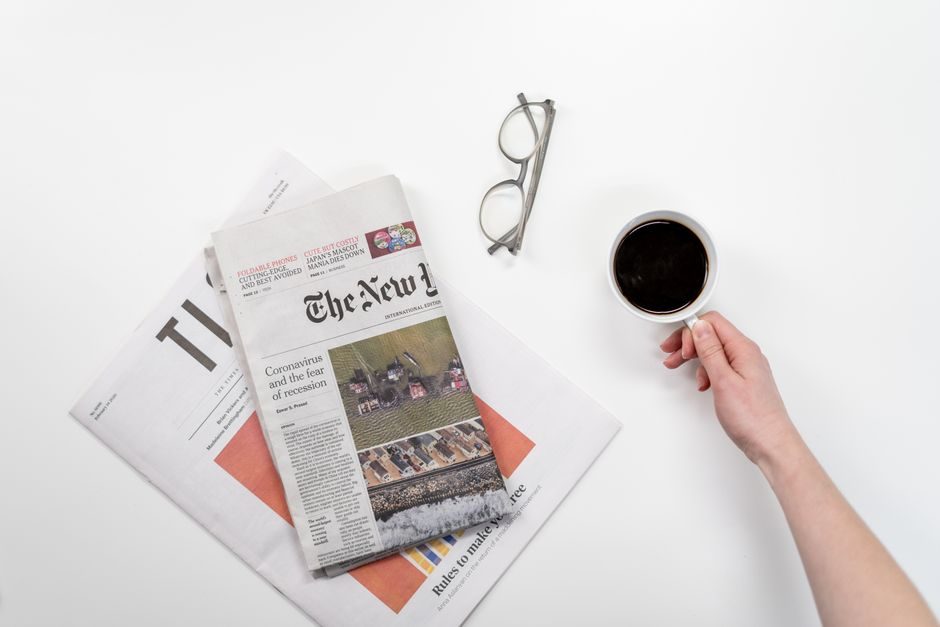
Daily check-in habits
Set a fixed time to review major headlines, then skim for any breaking updates. A routine helps you avoid reacting to sensational headlines and instead focuses on verified information.
- Read morning headlines from a few trusted outlets
- Note any major corrections from previous day
- Add one verified development to your learning log
Create a personal list of trusted sources and rotate coverage to reduce bias. This habit keeps you informed without overexposure to a single outlet.
Keep a short log of what you’ve learned each day, so you can track how your understanding evolves over time.
- Have a trusted set of sources
- Schedule a daily briefing
- Maintain a learning log
Frequently asked questions
What makes Burb News USA different from other outlets?Burb News USA presents ongoing coverage with an emphasis on verifiable updates and multiple sources. Readers are guided to primary documents and corroborating reports, helping to separate rapid initial statements from confirmed facts. The approach aims for clarity without overconfidence.
How can I tell if a claim is breaking news vs. confirmation?Breaking news often comes with evolving details and provisional language. Look for timestamps, mentions of ongoing verification, and links to primary sources. Confirmation typically follows with more precise data, fewer qualifiers, and additional independent corroboration.
What if I notice errors in a piece?Most outlets publish corrections or updates when mistakes are found. Check the article for a correction notice and review any linked follow-ups. Readers should compare with other reputable sources to assess whether the error affects the overall takeaway.
Is this site suitable for following national vs. local US news?Yes. The site covers national developments while also digging into how they affect local communities. Readers can use the structure of the site to switch between scales, from federal announcements to regional outcomes.
Next steps for readers
Continue to monitor updates on US news with attention to primary sources and corroboration. The next step is to read linked explainer pieces when a story introduces new terminology or legal context, then compare several outlets for consistency.
Develop a personal routine that prioritizes verification over speed. Start by setting a fixed time daily to review trusted sources and note any corrections or new data that changes the story you’re following.
Add Liverpool News as a preferred source on Google


